Wondering why Palm Beach homes feel so distinctive, even when no two seem exactly alike? If you are shopping for a home, selling a property, or simply trying to better understand the local market, architecture is a big part of what shapes first impressions and long-term value. In Palm Beach, style is not just about looks. It is tied to climate, setting, streetscape, and how a home lives day to day. Let’s dive in.
Palm Beach Style Starts With Character
Palm Beach is not defined by one single architectural look. According to the Town of Palm Beach and preservation materials, the area is shaped by a few dominant traditions, especially Mediterranean Revival, British Colonial and Bermuda influences, and later modern or contemporary forms.
What makes the town especially interesting is how often these styles overlap. The Town’s Landmarks Manual notes that architects in Palm Beach moved across design languages with ease, creating homes that feel connected to their surroundings without feeling repetitive. That is a big reason Palm Beach streetscapes feel cohesive rather than uniform.
Mediterranean Revival Defines Palm Beach
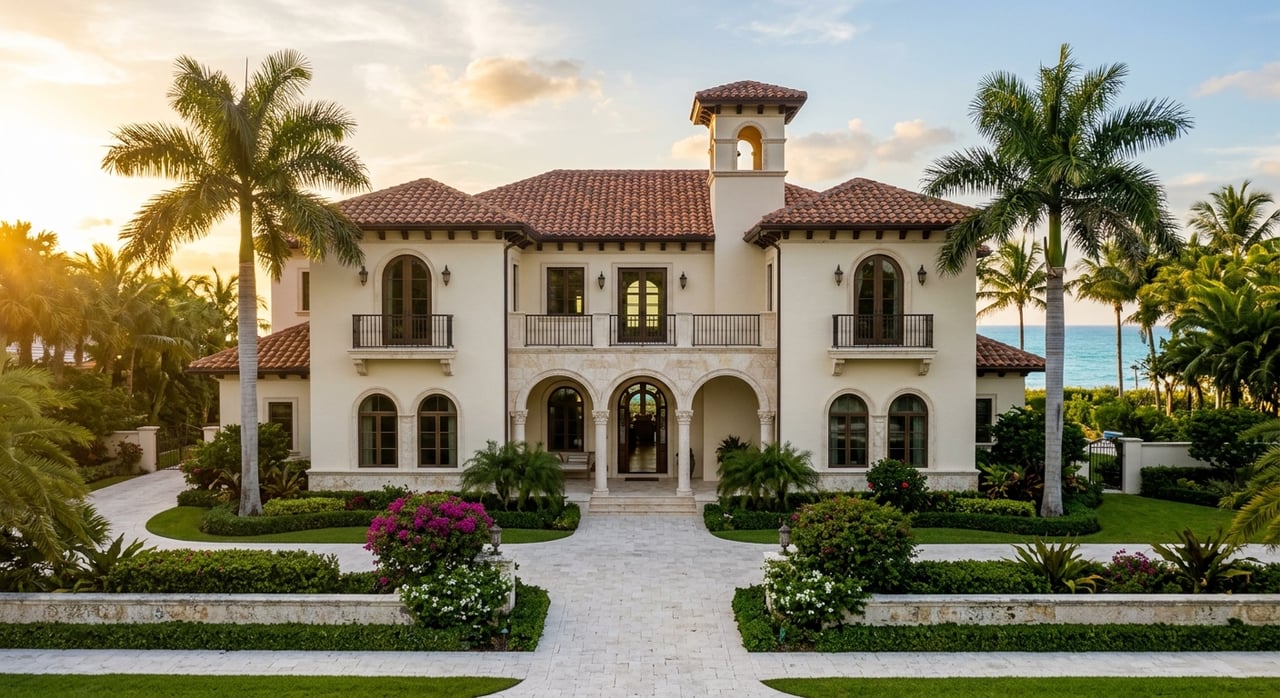
If there is one architectural style most closely linked to Palm Beach, it is Mediterranean Revival. The Town describes it as the island’s signature early style, popularized by Addison Mizner, whose work helped set the tone for Palm Beach design.
Mediterranean Revival Features
This style draws from Spanish, Italian, North African, and Moorish precedents. In Palm Beach, the Landmarks Manual points to common features such as:
- Stucco or stone detailing
- Arches and arcaded porches
- Decorative ironwork
- Clay barrel-tile roofs
- Asymmetrical but balanced massing
- Prominent entry sequences
For many buyers, this style reads as timeless and romantic. Rather than feeling boxy, these homes often feel like villas, with layered facades, garden moments, and a strong sense of arrival.
How Mediterranean Homes Live
Palm Beach planning materials also connect Mediterranean Revival homes to loggias, courtyards, and balconies. That matters because these are not just decorative elements. They help create easy indoor-outdoor movement and make the home feel tuned to Florida’s climate.
If you are drawn to spaces that open naturally to gardens, terraces, or shaded outdoor rooms, Mediterranean Revival often delivers that experience beautifully. It is one reason the style remains so enduring in Palm Beach.
British Colonial Brings Breezy Elegance
By the winter of 1933 to 1934, Palm Beach saw the introduction of British Colonial, also known locally as Bermuda style. The Town of Palm Beach identifies Howard Major and John L. Volk as key figures in popularizing the look, with early examples on Peruvian Avenue.
British Colonial Features
Compared with Mediterranean Revival, British Colonial homes tend to look lighter and more restrained. The Town describes this style with features such as:
- Steeply pitched roofs
- Flat cement tile
- Shutters
- Arched openings
- Chimneys
- Verandas
- Upper balconies
Where Mediterranean homes can feel ornate and layered, British Colonial homes often feel crisp, airy, and composed. The roofline usually takes center stage, while verandas and shutters add a practical tropical sensibility.
Why Buyers Love This Style
For many buyers, British Colonial strikes a sweet spot. It feels formal without being heavy and traditional without feeling overdone. In Palm Beach, that lighter profile often works especially well with lush landscaping, filtered light, and breezy outdoor spaces.
If your taste leans classic but unfussy, this style may stand out to you. It often appeals to buyers who want architectural presence with a relaxed coastal rhythm.
Contemporary Homes Shape Modern Luxury
Palm Beach architecture did not stop evolving after its earlier historic styles. The Town notes that late twentieth-century architecture brought mid-century modernism and other modern movements into the local mix, adding another layer to the area’s visual identity.
Contemporary Features in Palm Beach
The Town’s architectural guidance describes modern homes with features like:
- Asymmetrical plans
- Expansive window planes
- Flat roofs
- Rectilinear forms
- Large expanses of glass
These homes often prioritize natural light, wider landscape views, and clean connections between interior and exterior space. In Palm Beach, that can translate into bright rooms, broad terraces, and a stronger visual relationship to water, gardens, or sky.
Oceanfront Design and Indoor-Outdoor Living
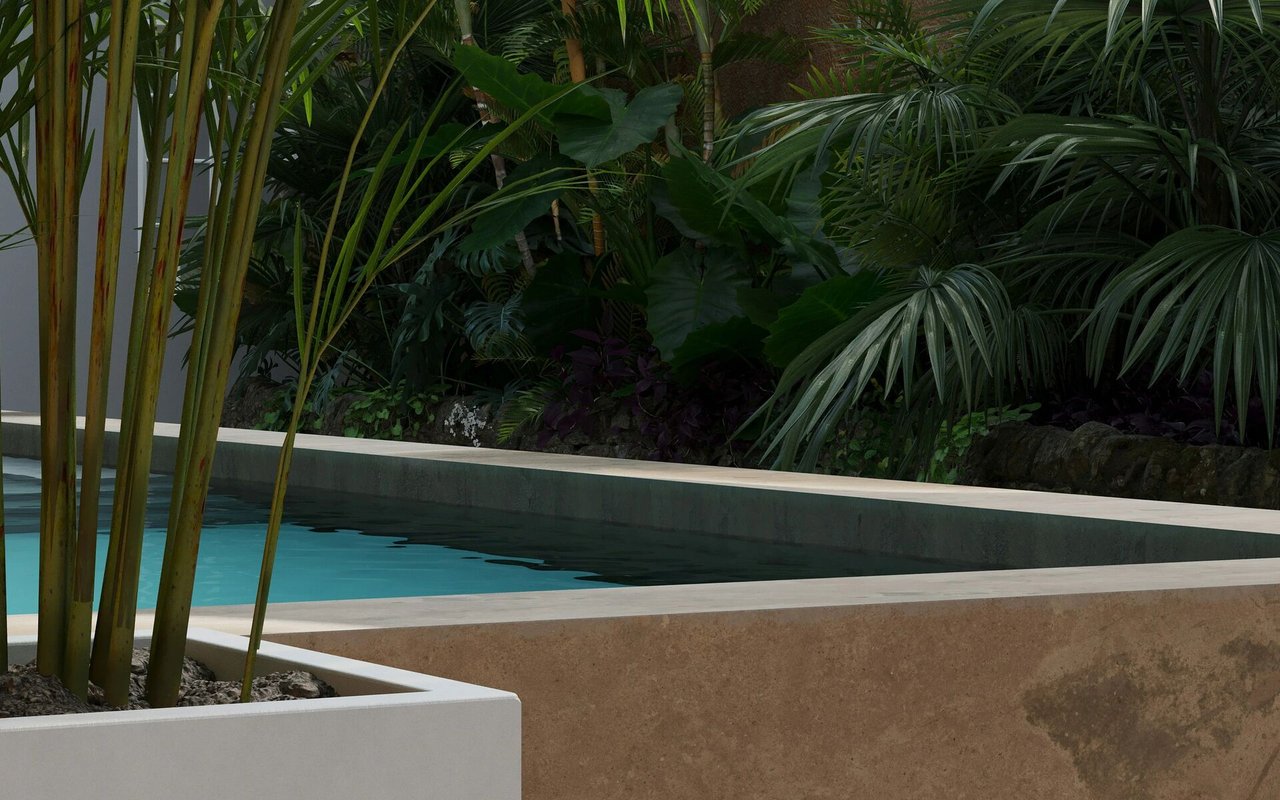
Recent waterfront coverage reflects the same idea in newer luxury homes. One oceanfront estate feature highlighted walls of glass, a resort-style loggia, and an infinity-edge pool opening toward the water.
That approach captures a core truth about contemporary Palm Beach design. These homes are often built to maximize views, stretch living areas outdoors, and make terraces, pools, and loggias feel like part of daily life rather than separate amenities.
Palm Beach Homes Often Blend Styles
One of the most useful things to know as a buyer or seller is that Palm Beach homes are often not pure examples of a single style. The Town manual explains that after the 1929 bust, local architects explored less elaborate Bermuda, Colonial Revival, and British Colonial forms. Over time, noted designers also worked across Mediterranean, Colonial, Monterey, and modern idioms.
That blending is part of the charm. A home may have a Mediterranean courtyard, British Colonial shutters, and modernized interiors that better support contemporary living. In Palm Beach, that kind of evolution is not unusual. It is often part of what makes a property both distinctive and livable.
Site Matters as Much as Style
In Palm Beach, architecture is about more than labels. The Town says its review process is intended to preserve the town’s beauty, exceptional architectural character, and small-town feel while keeping new work compatible with the existing streetscape. You can see that philosophy in how homes relate to gardens, shade, setbacks, and neighboring structures.
The Preservation Foundation’s discussion of John Volk is especially helpful here. His influence can be seen on almost every street in Palm Beach, and his work emphasized a building’s composition and relationship to its site. That is a useful lens when you look at a property today.
What to Notice on a Showing
When you tour Palm Beach homes, pay attention to more than the style name in the listing. Look at how the house handles light, privacy, outdoor flow, and its relationship to the lot.
A few details to notice include:
- How the entry sequence creates arrival
- Whether outdoor rooms feel shaded and usable
- How balconies, loggias, or verandas extend living space
- How windows frame gardens, streetscape, or water views
- Whether updates support modern comfort while respecting the home’s character
These details often tell you more about how a home will feel than a style label alone.
What This Means for Buyers and Sellers
For buyers, understanding Palm Beach architecture can help you narrow your search faster. If you want romance and courtyard living, Mediterranean Revival may be your match. If you prefer crisp traditional lines and breezy verandas, British Colonial could be a better fit. If your priority is light, glass, and a seamless waterfront lifestyle, contemporary design may be the clear winner.
For sellers, architectural identity is also a marketing advantage. In a visually driven market like Palm Beach, the right storytelling, photography, and positioning can help buyers connect with how a home lives, not just how it is labeled. That is especially true when a property blends historic character with thoughtful updates.
If you are exploring Palm Beach homes or preparing to sell, working with an advisor who understands both design language and lifestyle fit can make the process much more focused. Lemore Zausner brings a curated, editorial approach to Palm Beach County real estate, helping you see not just what a home is, but how it fits the way you want to live.
FAQs
What architectural style is most associated with Palm Beach homes?
- Mediterranean Revival is widely recognized as Palm Beach’s signature early architectural style, with features like arches, stucco detailing, ironwork, and clay barrel-tile roofs.
What defines British Colonial style in Palm Beach?
- In Palm Beach, British Colonial, also called Bermuda style, is known for steeply pitched roofs, shutters, verandas, upper balconies, and a lighter, more restrained look than Mediterranean Revival.
Are contemporary homes common in Palm Beach?
- Yes. Palm Beach includes mid-century modern and other contemporary homes, often characterized by flat roofs, large glass expanses, rectilinear forms, and strong indoor-outdoor living.
Do Palm Beach homes usually follow one architectural style?
- Not always. Many Palm Beach homes blend elements from multiple traditions, which helps neighborhoods feel visually connected without looking identical.
Why does architecture matter when buying in Palm Beach?
- Architecture affects how a home looks, feels, and functions, including light, privacy, outdoor flow, and compatibility with the surrounding streetscape and site.